
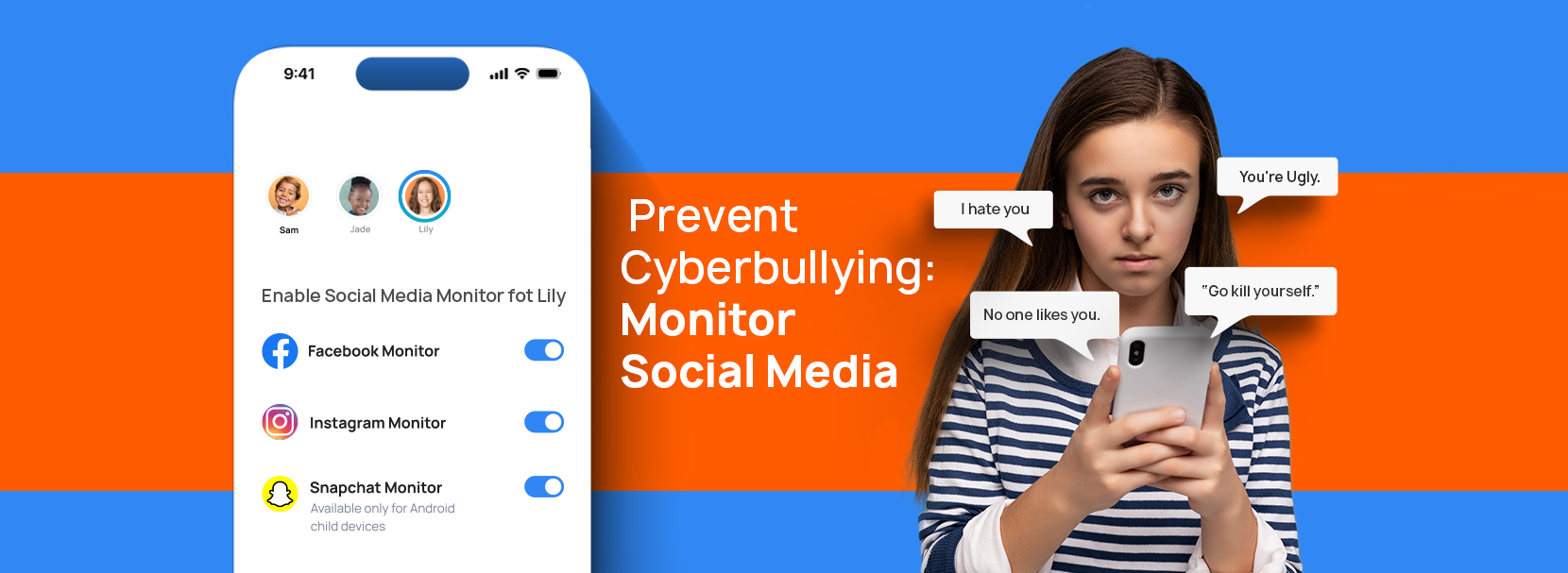
Why Parents Need to Monitor Their Child’s iPhone 17 Usage? In today’s digital age, handing a smartphone to your child means giving them access to an entire world—both the good and the dangerous. From social media predators and inappropriate content to cyberbullying and screen addiction, the risks are real and ever-present. Teenagers, especially during adolescence, tend to have poor impulse control and intense curiosity, so they struggle to resist temptations from the outside world.
Studies have shown that parental mediation can significantly reduce the risks associated with social media use among adolescents. Monitoring isn’t about distrust—it’s about providing a safety net while children learn to navigate the digital world responsibly. Parents need visibility into:
- How much time their child spends on the phone each day
- Which apps they’re using and for how long
- Where they are physically at any given time
- Who they’re communicating with online
- What content they’re accessing
Real‑Life Case Study
How One Mother Used Parental Control Software to Protect Her Daughter
Selena is a strikingly beautiful girl with a tall, slender figure. Though only 15 years old, she carries herself with a composure and maturity that often makes people mistake her for a young adult—at least twice her actual age. Her poised demeanor, combined with her elegant appearance, frequently leads strangers to assume she is already in her early twenties.
However, beneath that mature exterior lies a typical teenager: curious, adventurous, and eager to explore the world beyond her parents’ watchful eye. Like many teens her age, Selena is active on social media. Yet she is savvy enough to protect her real identity—every piece of personal information on her profiles, apart from her profile picture, is fabricated. She uses a fake name, a different birthdate, and a made‑up hometown, believing this gives her a layer of safety while she chats with strangers online.
But the digital world is full of hidden dangers that even the most cautious teenager cannot fully anticipate. Recognizing the risks, Selena’s mother took a proactive step early last year. She installed Spynger—a reputable parental control app—on Selena’s iPhone 17. Her goal was not to spy on her daughter out of distrust, but to gain visibility into Selena’s online interactions and ensure she wasn’t putting herself in harm’s way.
Over the course of more than a year, that single decision proved to be a lifesaver. The app’s monitoring features alerted Selena’s mother to three separate occasions when her daughter had arranged to meet male strangers she had met online, in person. Each time, the mother intervened before any meeting could take place. She calmly but firmly explained the grave dangers of such encounters—risks that every adult understands all too well: abduction, sexual assault, trafficking, and emotional manipulation. She used each incident as a teachable moment, helping Selena understand that the charming stranger on the other side of the screen is rarely who they claim to be.
⚠️ Why this matters: Meeting an online stranger face‑to‑face, especially for a young teenage girl, is extremely perilous. Adults know that predators often use fake identities, flattery, and false promises to lure minors into dangerous situations. Without proper monitoring, a curious teen like Selena could have walked into a trap that no amount of digital savvy could prevent.
Thanks to her mother’s vigilance and the right technology, Selena was protected from these potentially devastating encounters. The app didn’t just block access—it provided the mother with timely alerts and communication logs, giving her the evidence she needed to step in and have honest, difficult conversations with her daughter. Over time, Selena began to understand the risks herself and became more cautious about whom she trusted online.
This real‑life story illustrates two crucial points:
- Parental control apps are not about control—they are about early intervention. They give parents a window into their child’s digital life so they can catch red flags before they become real‑world disasters.
- Technology alone is not enough. The app served as an early warning system, but it was the mother’s ongoing dialogue, education, and emotional support that truly kept Selena safe.
Selena’s mother continues to monitor her daughter’s online activity, but now with Selena’s full understanding and cooperation. The trust between them has grown stronger, because the monitoring was always transparent, explained, and focused on protection—not punishment.
This case is shared with permission. Names and details have been altered to protect privacy.
The Problem with Apple’s Built-in Screen Time
Apple’s Screen Time, available through Family Sharing on iPhone 17, is a free and convenient starting point. It allows parents to set app limits, schedule downtime, and restrict content. However, it has significant flaws that savvy kids quickly exploit:
Known Bypass Methods:
- Date & Time Trick: Children can manually change the date and time in Settings → General → Date & Time to bypass all Screen Time app limits. This vulnerability has persisted since iOS 17 and remains unfixed in iOS 18.2.
- Brute-Force Attack: The Screen Time passcode can be brute-forced through the “Erase All Content and Settings” flow with no rate limiting, allowing unlimited passcode attempts. This makes 4-digit passcodes trivial to crack—only 10,000 combinations.
- Publicly Shared Methods: Bypass techniques are widely shared on platforms like TikTok, making them accessible to any curious child.
⚠️ Bottom line: While Screen Time is better than nothing, it’s not reliable for families who need consistent, enforceable controls.
Top 3 Parental Control Apps for iPhone 17
If you need more robust protection, best monitoring apps for iPhone 17 are the way to go. Here are three trusted options I recommend:
1. Parentaler
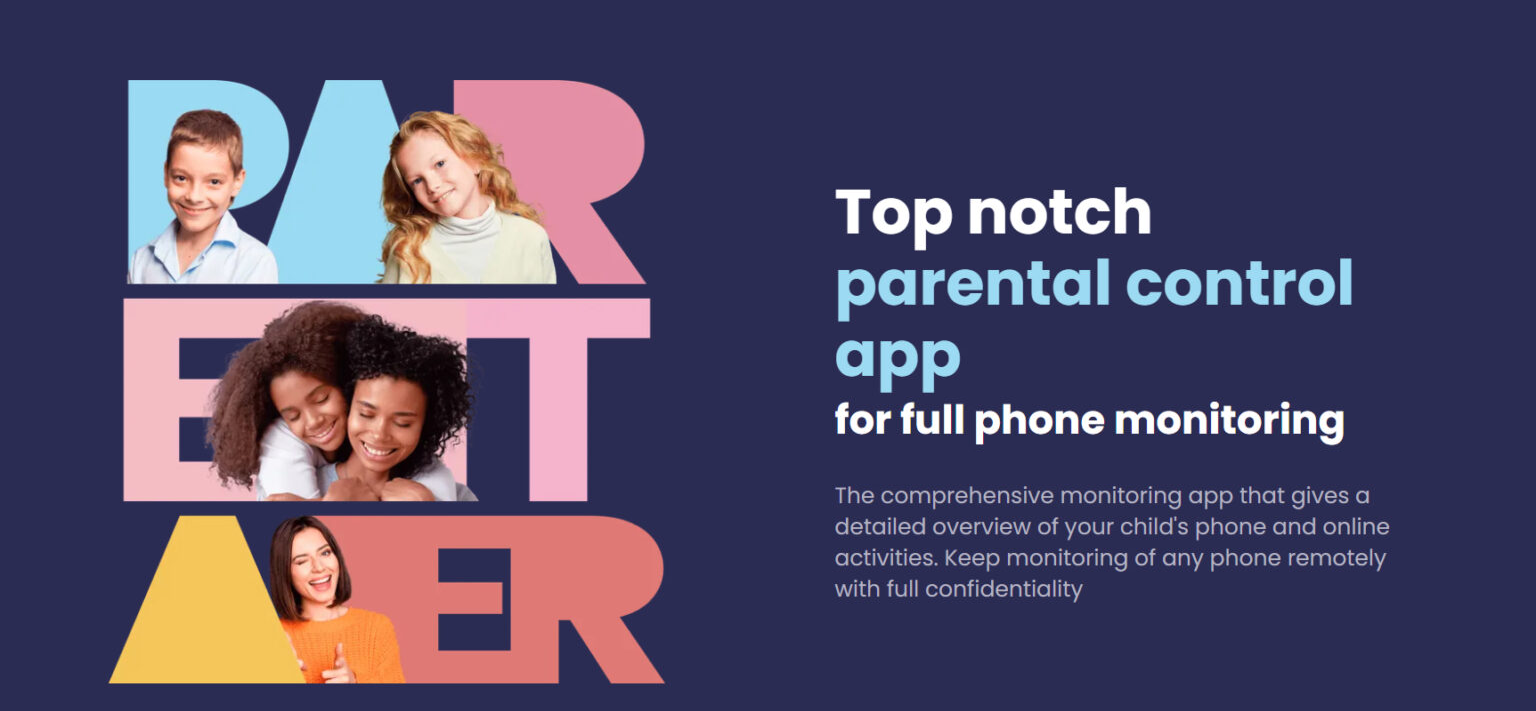
Parentaler is a comprehensive parental control solution that combines active controls with deep monitoring capabilities.
Key Features:
- Real-time location tracking with geofencing—set “safe zones” (school, home) and get instant alerts when your child enters or leaves
- App blocking and screen time limits—easily set daily usage caps
- Social media monitoring—track messages on TikTok, Instagram, WhatsApp, and more
- Call and message logging—see who your child is communicating with
- Browsing history insights—know what websites they visit
- Unified dashboard—all data in one secure, easy-to-navigate interface
Pricing: Parentaler offers clear, transparent pricing with no hidden fees. Family plans cover multiple devices across different operating systems.
Best for: Parents who want both active controls (blocking/limiting) AND deep monitoring (message logging, social media visibility) from a single platform.
2. FamiSafe
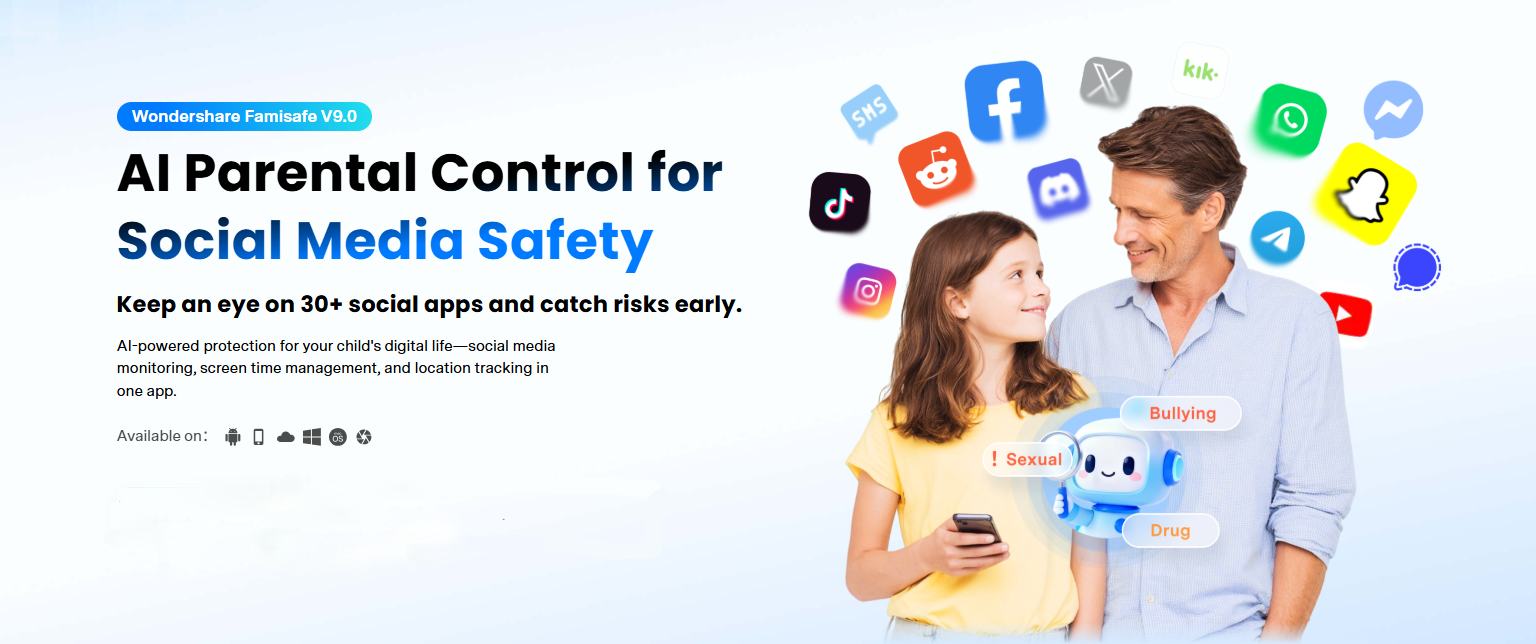
FamiSafe, developed by Wondershare, is an AI-powered parental control app trusted by millions of parents worldwide.
Key Features:
- Real-time screen viewer—view your child’s screen in real time
- Accurate GPS tracking with strong geofencing alerts
- Screen time management—set daily limits and schedules
- App blocking and web filtering—block inappropriate apps and websites
- TikTok & YouTube monitoring—see what videos your child has been watching
- Call & message monitoring—track phone calls and text messages
- Driving monitoring—get alerts for dangerous driving habits (great for teen drivers)
- Reverse location tracking—kids can see your location in an emergency
- Supports 30+ apps—broad social media and communication app coverage
Pricing:
- Quarterly plan: covers up to 10 devices
- Annual plan: covers unlimited devices
- Starting from approximately $4.99/month
- 7-day money-back guarantee
Best for: Families with multiple devices across different platforms (iOS, Android, Windows, macOS, ChromeOS, Kindle). Great for parents who want the unique driving monitoring feature for older kids.
3. mSpy
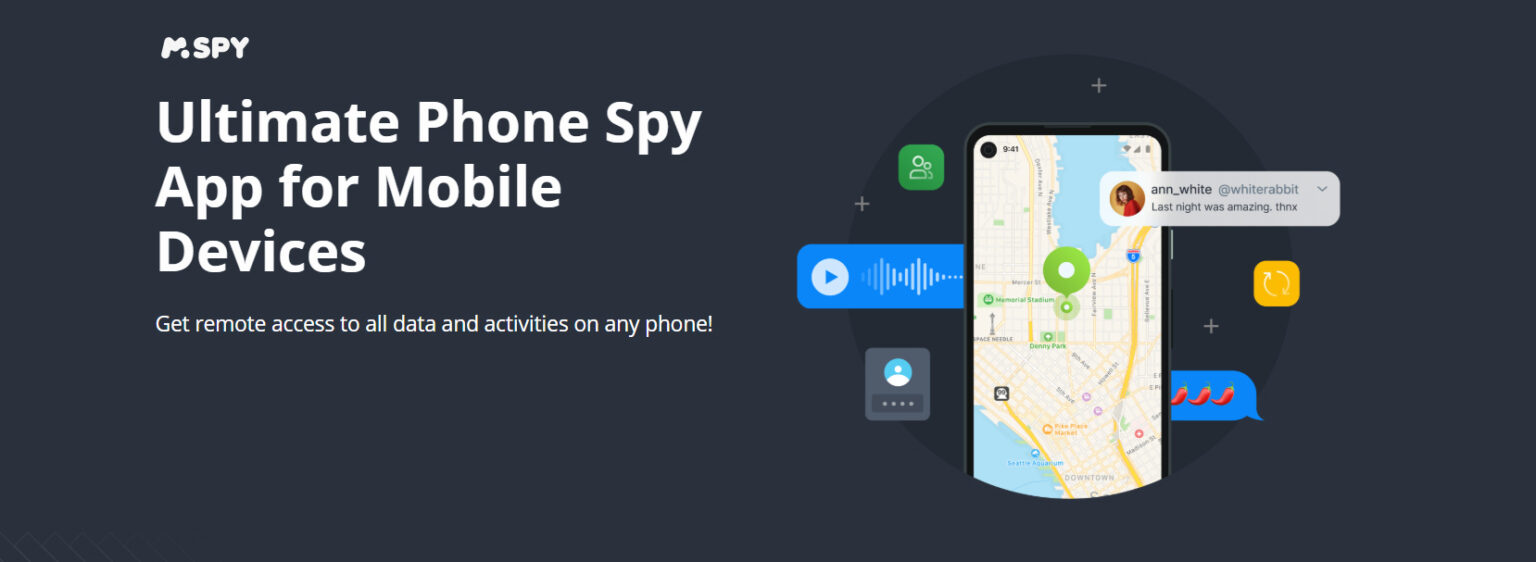
mSpy is a well-known iPhone monitoring solution that offers some of the most powerful surveillance features available.
Key Features:
- Messaging app monitoring—read messages on WhatsApp, Snapchat, X (Twitter), Facebook Messenger, LINE, and Google Chat
- Email monitoring—read all of your child’s emails
- Location tracking with geofencing
- Keylogger—see everything typed on the device
- Screen recording—capture screen activity
- Stealth Mode—operates discreetly without the child knowing
- Intuitive web-based dashboard—access from any browser
Limitations on iPhone:
- On iOS, you’ll need iCloud backups or a jailbreak for the deepest data access
- iOS blocks covert iMessage access—Screen Time + Family Sharing is the compliant path
- Missing key parental control features like screen time limits and app usage limits
- No free plan, no free trial
Pricing: Premium, Extreme, Ultimate, and Family Kit plans covering 1–3 devices. Pricing is not transparent—you have to contact customer support to buy a subscription.
Best for: Parents with serious concerns who need deep surveillance capabilities and are willing to deal with complex setup. Not recommended for casual monitoring needs.
Free vs. Paid Parental Control Apps
| Aspect | Free (Apple Screen Time) | Paid Apps (Parentaler, FamiSafe, mSpy) |
|---|---|---|
| Cost | $0 | Monthly/yearly subscription |
| Screen Time Limits | ✅ Basic | ✅ Advanced with remote management |
| App Blocking | ✅ Limited | ✅ Comprehensive |
| Location Tracking | ✅ Via Find My | ✅ Real-time GPS + geofencing |
| Social Media Monitoring | ❌ Not available | ✅ Detailed logs and alerts |
| Message/Call Monitoring | ❌ Not available | ✅ Full visibility |
| Web Filtering | ✅ Basic content restrictions | ✅ Advanced category filtering |
| Real-time Screen View | ❌ Not available | ✅ Available in some apps |
| Bypass Protection | ❌ Easy to bypass | ✅ Much harder to circumvent |
| Cross-Platform Support | ❌ iOS only | ✅ iOS, Android, Windows, macOS |
| Setup Complexity | Simple | Moderate |
| Reliability | ⚠️ Vulnerable | ✅ Robust |
Key takeaway: Free tools are fine for basic oversight, but if your child is tech-savvy or you need serious monitoring capabilities, paid apps are worth the investment.
Comparison: Parentaler vs. FamiSafe vs. mSpy (Paid Plans)
Final Summary
Monitoring your child’s iPhone 17 is not about spying—it’s about creating a safe digital environment while teaching responsible technology use.
My Personal Recommendation
For most parents, Parentaler offers the best combination of features, ease of use, and value. It delivers both active controls (blocking, limiting) and deep monitoring (message logging, social media visibility) from a single platform, with clear pricing and no hidden fees.
FamiSafe is a close second—especially if you have kids across multiple device types or want the unique driving safety features.
mSpy is powerful but overkill for most families. It’s better suited for parents with serious, specific concerns who are willing to deal with complex setup and lack of money-back guarantee.
Final Advice
💡 Remember: No app can replace open communication with your child. The best monitoring strategy combines:
- Reliable technology (choose one of the apps above)
- Honest conversations about why you’re monitoring
- Age-appropriate freedom—gradually loosen restrictions as your child demonstrates responsibility
Start with Apple Screen Time to understand the basics. If your child finds ways around it (and many will), upgrade to a paid solution like Parentaler or FamiSafe for peace of mind.



No responses yet